How to Design Open Layout Kitchen Living Rooms with a 3D Home Planner
Create your perfect home designs in 3D
Try it in your virtual home
Be sure your furniture is perfect before getting things real
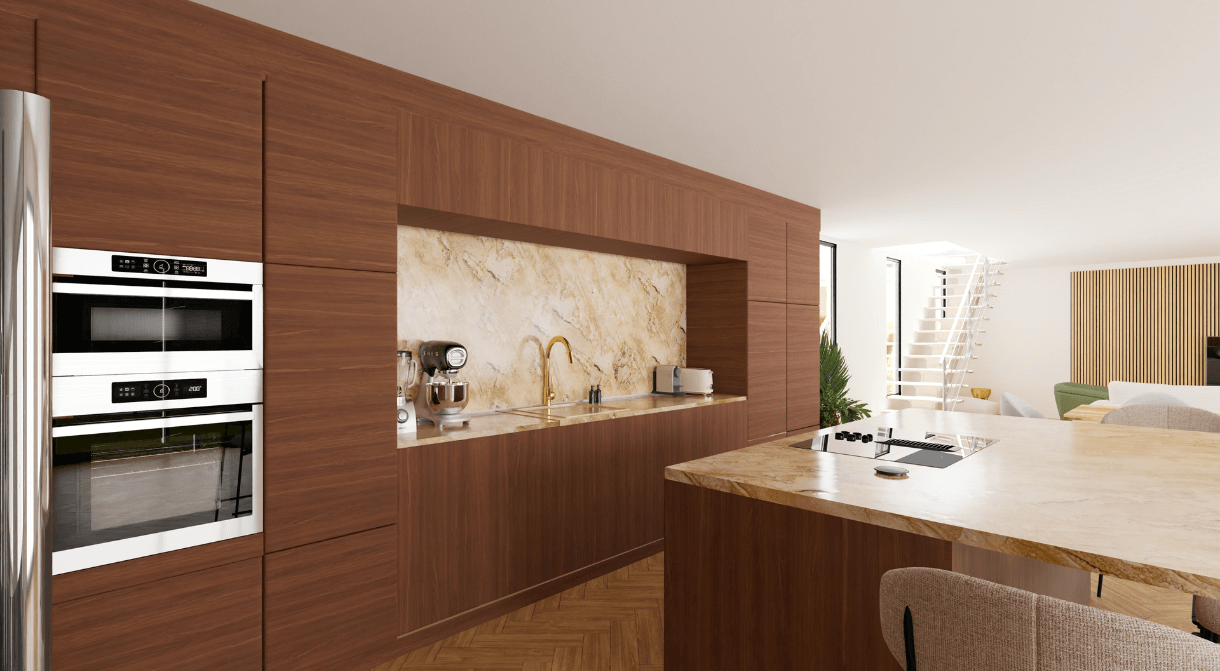
In the realm of modern interior design, the open-concept layout for a kitchen living room has emerged as the best plan, merging cooking, dining, and lounging into one cohesive space. This concept utilizes white colors, natural wood materials, and strategic lighting to create visual flow between zones, giving the area a spacious, modern feel. Designers and homeowners can experiment with colors, cabinets, and furniture to add farmhouse charm or sleek modern elements, ensuring every corner works harmoniously in the open house plan.
From innovative open–plan kitchen and dining island ideas to practical tips for defining functional zones within your open-concept layout, discover the essential elements to create a space where cooking, dining, and lounging effortlessly coexist. With easy drag-and-drop 3D tools, you can visualize different furniture layouts, flooring materials, cabinet styles, and lighting options to perfect the flow and feel of your interior design in a virtual room.
Open Plan Kitchen Ideas: How to Create a Unified Space
Designing an open–plan kitchen goes beyond aesthetics – it’s about creating a unified space where the kitchen seamlessly integrates with the living area and dining zones. Use consistent colors, flooring, and lighting to enhance the flow between areas, and consider mixing modern and farmhouse-style elements like wood cabinets and barn-style lighting to add personality. Here are some best ideas to inspire your open plan kitchen design.
Unified Color Palette
Opt for a cohesive color scheme—such as crisp white walls and natural wood tones—that ties the kitchen, dining, and living areas together. Using consistent flooring materials and complementary paint colors enhances the flow and makes the entire space feel large, bright, and unified.
Strategic Furniture Placement
Use furniture to delineate zones within the open floor plan: position a sofa and an area rug to mark the living room, a dining table to anchor the eating area, and an island to define the kitchen work zone. Keep pathways clear to maintain a smooth flow and ensure each area functions independently yet harmoniously.
Multipurpose Furniture
Embrace multifunctional furniture that serves both kitchen and living areas—like a modern kitchen island with a built-in dining table or a farmhouse-style console with hidden storage. Ideal for small spaces, these versatile pieces provide extra work surface, dining seating, and decor storage without cluttering the open layout.
Statement Lighting
Install statement lighting fixtures to anchor specific zones—pendant lights over the kitchen island, a chandelier above the dining table, and floor lamps in the living area. Mixing natural light with layered lighting elements creates a warm, modern feel and highlights the distinct areas within the open-concept plan.
Consistent Flooring
Choose consistent wood or tile flooring materials throughout to visually connect the kitchen, dining, and living areas. Add area rugs to soften the living zone and introduce texture, creating a seamless transition that makes the entire space feel larger and more cohesive.
Maintain Balance
Maintain a balance between kitchen and living zones by coordinating color palettes, furniture styles, and decor so that neither area overwhelms the other. This harmonious approach ensures a smooth flow, where each space complements the other visually and functionally.
Incorporate Functional Storage for Appliances and Decor
Designing a functional open layout also involves integrating smart cabinets and storage solutions that span both the kitchen and living spaces. Incorporate built-in shelving near the island for appliances, floating shelves on the wall for decor, and multi-level cabinets under the counter to keep small items organized and maintain a clutter-free, stylish area.

Open Layout Kitchen Living Room: Balancing Comfort and Style
An open-concept kitchen and living room demands a delicate balance of comfort and style. Use natural materials and textures, coordinate colors across furniture and walls, and plan furniture layouts to maintain optimal traffic flow. These considerations ensure your area feels welcoming, functional, and visually appealing.
Here are some tips
1
Define Functional Zones
Clearly define functional zones within the open layout. Use an island or dining table to mark the transition from kitchen to dining, layer area rugs under the living room furniture, and employ strategic lighting and slight elevation changes to distinguish each space.
2 Flexible Seating Arrangements
Opt for flexible seating arrangements that encourage interaction : kitchen stools at the island, a bench at the dining table, and movable chairs in the living room. This allows seating areas to adapt for dining, work, or lounging, ensuring a natural flow across the floor plan.
3
Create Visual Cohesion
Enhance visual cohesion by incorporating complementary design elements: matching cabinet hardware, coordinating color palettes on walls and furnishings, and using shared materials such as marble countertops and wood accents. These consistent elements tie kitchen and living zones into one unified interior.
4
Integrate Nature
Bring the outdoors in by adding potted plants, natural wood furnishings, and large windows that flood the interior with natural light. These elements extend the living area, blur the boundary between indoors and outside, and introduce organic textures and colors.
5
Strategic Storage Solutions
Invest in strategic storage solutions, like under-island cabinets, built-in wall units, and multifunctional furniture with hidden compartments, to maintain a clutter-free environment. This approach ensures a harmonious blend of form and function in your open areas.
6 Prioritize Traffic Flow and Accessibility
When designing your space, ensure unobstructed pathways throughout the kitchen, dining, and living areas. Leave at least 30 inches of floor clearance around furniture and islands to maintain optimal flow, especially in large gathering spots and high-traffic zones.
Open Concept Kitchen Design: Merging Practicality with Aesthetics
Achieving a successful open–concept kitchen design requires a thoughtful blend of practicality and aesthetics—selecting the right cabinets, coordinating colors, and choosing durable materials for countertops and flooring. This holistic approach ensures your layout maximizes storage and workflow while maintaining modern style.
Smart Kitchen Layout
Choose a kitchen layout that maximizes efficiency, galley, U-shaped, or L-shaped, by planning zones for cooking, prepping, and storage. Prioritize smooth workflow and traffic flow between the island, cabinets, and adjacent living areas to create a cohesive open-plan design.

Invest in Quality Appliances
Select the best quality appliances that not only meet cooking needs but also enhance the overall interior style. Integrated stainless-steel or matte-black finishes can match cabinet materials and countertops, reinforcing a cohesive modern design.
Seamless Cabinetry
Opt for seamless cabinetry that enhances the open feel of the space : handle-less wood cabinets in white or soft gray deliver a clean, modern look. Consistent cabinet colors and minimal hardware add to the visual flow throughout the kitchen and living areas.
Define Zones with Accents
Use accent pieces or materials to subtly define the kitchen area, like a bold backsplash, an island with a contrasting wood countertop, or patterned pendant lights. Complement these with area rugs and textured fabrics to distinguish the living and dining walls visually.
Create a Focal Point
Establish a focal point in the kitchen, such as a striking range hood in black metal, an eye-catching tile backsplash in vibrant colors, or a statement island crafted from natural wood. These design elements draw the eye and inject personality into the open concept area.
Incorporate Customizable Features
To stand out, consider providing customizable options, like modular furniture pieces, expandable dining tables, and movable islands, that adapt to both small gatherings and large dinner parties. These versatile layouts add practicality and maintain the elegant style of your open-concept kitchen and living areas.
Designing with a 3D Home Design Tool: From Blueprint to Open Concept Brilliance
So, how can we leverage 3D home design tools to turn these concepts into life-like renderings? With HomeByMe’s drag-and-drop tech, you can experiment with floor plans, wall layouts, furniture placement, color palettes, and material selections—seeing in real time how each element impacts the open-concept kitchen and living area.
7 steps to successfully design your kitchen
1 Step 1. Create the layout starting with the dimensions
Begin by inputting the exact area measurements, including wall lengths and ceiling heights. HomeByMe’s user-friendly interface lets you set these dimensions precisely, creating a virtual blueprint that reflects the real floor plan of the house.
2
Step 2. Choose an open layout template
Explore the library of templates and choose a layout that aligns with your house’s footprint or your vision for an open-concept kitchen living area. Whether you prefer a modern white aesthetic or rustic farmhouse style, these templates serve as a flexible starting point for customization.
3 Step 3. Customize the walls and layout
Customize the walls and flooring to craft your open layout. The drag-and-drop features let you experiment with wall placements, flooring materials, and zone divisions until you achieve the perfect flow between kitchen, dining, and living rooms. Use the Build tab to refine wall heights and floor plans to your exact specifications.
4 Step 4. Select furniture and decor for the space
Dive into HomeByMe’s vast collection of furniture and decor items, it includes everything from kitchen islands and dining tables to living-room sofas and accent rugs. Use the Furnish and Decorate tabs to explore different materials, colors, and lighting fixtures, ensuring a cohesive style across all zones of your open-layout home.
5 Step 5. Experiment with colors and materials
Play with colors, materials, and textiles to find the perfect palette for your open–concept space. HomeByMe lets you swap cabinet finishes, countertop materials, and flooring options and even preview wall paint colors, to see how they harmonize across kitchen and living zones.
6 Step 6. Illuminate the virtual space with lighting fixture
Find the best lighting features, pendant lights, recessed lights, and natural skylights, that highlight each zone and set the perfect vibe. Add layered lighting, including task lamps, ambient fixtures, and accent lights, to ensure both the kitchen and living room feel bright, welcoming, and functional.
7 Step 7. Explore your virtual design up close, refine and share
Step inside your virtual open–concept space to critique the flow, furniture placement, and lighting up close. Analyze the design from every angle to get an authentic visual feel of how the rooms, table, and island will work in reality. Then share it with others, clients or contractors, via a link, or print high-res photos for your interior portfolio.
So, there you have it: the modern art of designing open living spaces. From chic open–plan kitchen and dining ideas to balancing cozy zones and sleek modern decor, use these insights to create a personalized concept. Leverage 3D home design tools like HomeByMe to play with wall layouts, lighting, materials, and furniture arrangements. With this creative house toolkit, any interior design project can become an exhilarating adventure.
FAQ
An open kitchen with living room has pros like enhanced social interaction, more natural light, spacious feel, and higher resale value (3-7%), but cons including odors, noise, clutter visibility, and privacy issues. It suits social families but requires good ventilation and storage.
The 2/3 rule for living rooms is a proportion guideline where a key element (e.g., artwork, coffee table, rug) should be about two-thirds the size of its anchor (e.g., sofa width/length) for visual balance and cohesion.
Divide an open-plan kitchen and living room using islands/peninsulas, bookcases, sliding panels, furniture like sofas, rugs, color contrasts, or glass partitions. These maintain openness while zoning spaces.
The 3-4-5 rule in interior design, coined by Nancy Cavaliere, limits rooms to 3 patterns (e.g., rug, cushions, curtains), 4 period styles (e.g., modern, rustic, Art Deco, traditional), and 5 colors/textures for balanced, uncluttered spaces.


Explore the essentials to perfecting open concept layouts, and how 3D home design tools offer endless possibilities to create flawless designs.
Create your perfect home designs in 3D
Try it in your virtual home
Be sure your furniture is perfect before getting things real
Design your kitchen now!