The Timeless Appeal of Scandinavian Style Explained

HomeByMe
March 2026
5 minutes
Image of a light and trendy scandinavian interior decor
Key characteristics and styling tips that bring this cozy, practical design philosophy to life.


In this article, we explore the origins, principles, and lasting appeal of Scandinavian interior design—an aesthetic known for balancing simplicity, comfort, and natural beauty. From its Nordic roots to today’s evolving trends, discover how this timeless style creates calm, functional homes inspired by nature.

Key takeaways:

  • Scandinavian design combines simplicity, functionality, and understated elegance.
  • Interiors feature clean lines, uncluttered layouts, and practical furniture designed for everyday living.
  • Natural materials such as light woods, stone, wool, and linen play a central role.
  • Natural light and soft neutral colors help create bright, airy living spaces.
  • Comfort and warmth are achieved through layered textiles and cozy lighting inspired by the concept of hygge.
  • The style continues to evolve with sustainability, richer tones, and more personal expression in modern homes.

Some home design trends come and go. Others will always stand the test of time and Scandinavian style is one of them. Recognizable for its light, airy and understated aesthetic, it’s hard not to see the appeal of high-quality natural materials, beautifully made furniture, and a warm, cozy, effortless vibe.

What Scandinavian interiors do especially well, though, is something that’s much harder to pinpoint: they consider how a home works alongside nature and what it feels like to live in every day. This attention to detail can make it seem like an intimidating style to recreate. In reality, Scandinavian design is surprisingly forgiving and works just as well in period houses as in modern apartments.

Often grouped with the more austere minimalism or mid-century modern, the aesthetic sits somewhere in between. Restrained but never at the expense of comfort, in Scandinavian design every element has a reason to be in each room. Materials are chosen for how they look, feel and age over time; furniture is practical, comfortable and well made; and light is harnessed as a design element in its own right. Put it altogether and you end up with a home that feels calm, lived-in and genuinely inviting.

Decades since it first gained popularity, Scandinavian design continues to have a big influence on home interiors around the world. Here’s how Scandinavian style began, what defines it and how it keeps evolving in step with modern living.

What is Scandinavian style and interior design ?

Scandinavian style strikes a careful balance between simplicity, functionality and beauty. The design movement emerged from Scandinavian countries like Norway, Sweden and Denmark. It’s shaped as much by their geography as their culture, particularly their dramatic landscapes, cold, long winters and limited daylight hours.

This close relationship with nature follows through into all aspects of the design philosophy. Scandinavian interiors value local materials, quality craftsmanship and feel warm and comfortable, even in the darker months of the year. Candlelight, natural textures and subtle layering all add to the cozy aesthetic – a good reason why it’s often associated with the Danish concept of hygge, which is about slowing down, feeling relaxed and enjoying life at home.

Clean lines and simple layouts

Step into a Scandinavian interior and you’ll see clean, simple lines and uncluttered, open plan living. Furniture tends to be crafted from solid wood and natural materials and is generally understated. Surrounding décor is equally as restrained and subtle so that rooms feel spacious and balanced. Every piece works together rather than competing for attention to create a sense of calm. 
High realistic view of a scandinavian style living and dining area

Open-plan Scandinavian living and dining room featuring clean lines, light wood furniture and a balanced minimalist Nordic aesthetic.

Natural materials and quality craftsmanship

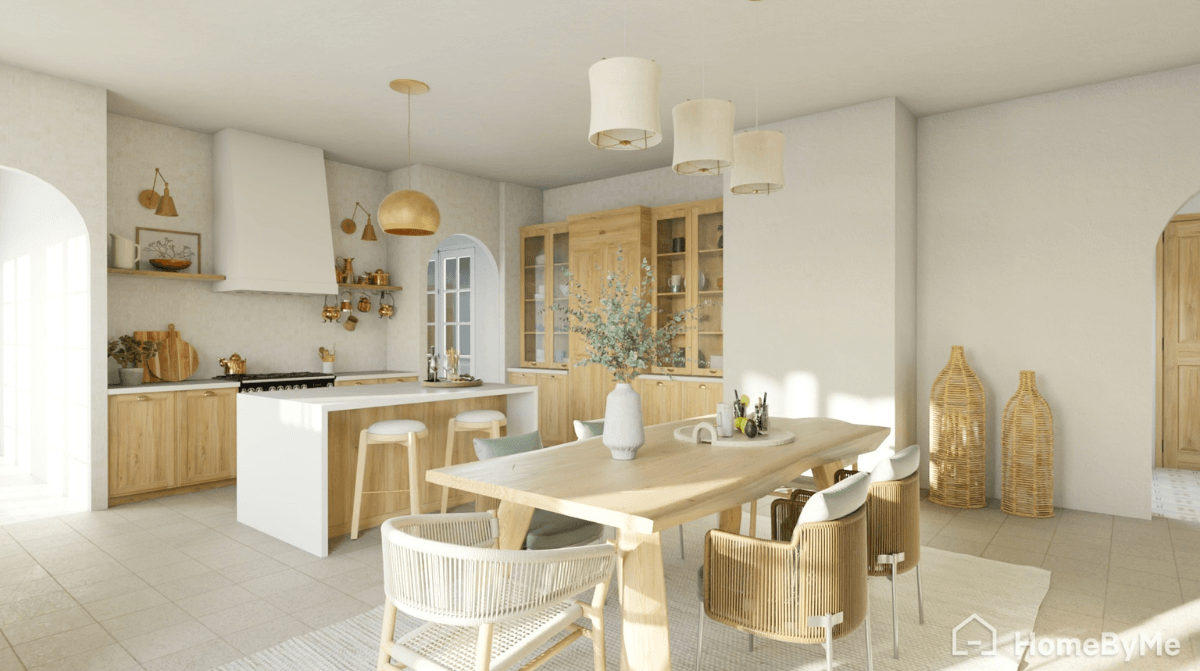
Organic materials and textures are hallmarks of Scandinavian interior design, especially light, native woods like beech, ash and pine, as well as stone, ceramics, wool, linen and woven fibers like rattan. These natural materials are chosen for their appearance but also their longevity; Scandinavian interiors are known for high-quality craftsmanship and well-made pieces designed to last for years, not seasons.

High realistic image a kitchen with natural material and quality craftsmanship

Scandinavian kitchen design showcasing natural wood cabinetry, stone surfaces and high-quality craftsmanship in a modern Nordic interior.

Light as a design element

In Scandinavia, natural light is a precious resource, especially in the winter months. That’s why Scandinavian interiors maximize it as much as they can with large, open windows and bright, reflective surfaces, complemented by soft whites, pale neutrals and muted color palettes. Strategically placed lamps and candles add to this by filling corners of the room with a warm glow after dark.

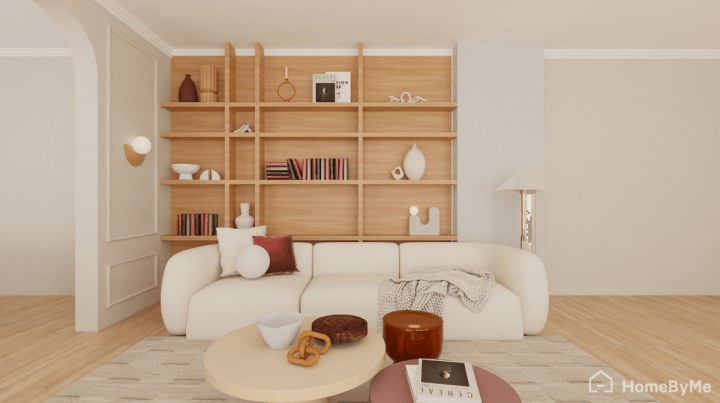
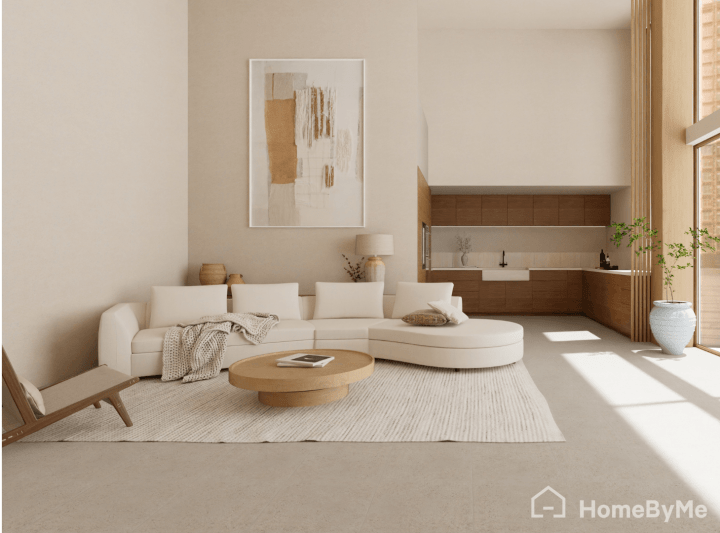
Scandinavian simple wood and beige living room

Light-filled Scandinavian interior with neutral tones, large windows and minimalist decor that highlights natural daylight.

Comfort and warmth

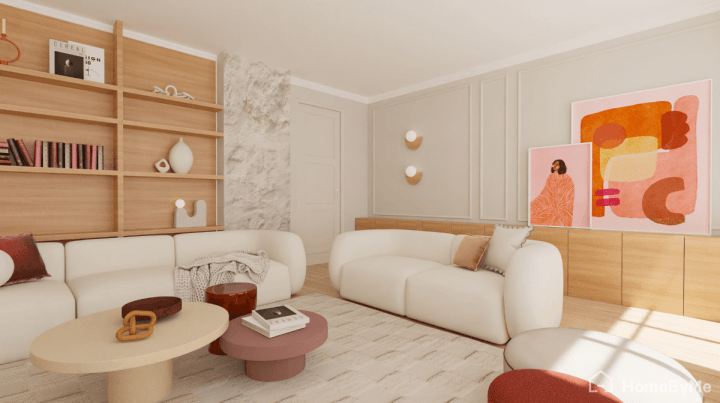
Scandinavian design may have a simple, paired-back aesthetic, but it shouldn’t feel cold. Flooring is usually natural wood rather than carpeted, yet textiles play a key role in bringing softness and warmth into every room with rugs, sheepskin throws, upholstered furniture, wool blankets and cushions.

4K image of a warm and comfy scandinavian living room

Cozy Scandinavian living room layered with soft textiles, natural wood and warm lighting inspired by the Nordic hygge lifestyle.

The history of Scandinavian design

Scandinavian design dates back to the early 20th century when designers across the region challenged the more ornate, elitist interiors of the time with a refreshing alternative. Their democratic approach to interior style championed simplicity, practicality and beauty.

In 1930, the Stockholm Exhibition brought global acclaim to the region’s design talent, but it wasn’t until after World War II that the movement really gained momentum. As Europe rebuilt and social ideals became more progressive, Scandinavian design’s influence spread into mid-century modern interiors worldwide, introducing uncluttered spaces, well-made furniture and the idea that good design should be both functional and widely accessible.

Scandinavian design icons

Modern brands like IKEA have successfully brought the Scandinavian design aesthetic and philosophy to millions of homes. Yet, the movement’s foundations were laid long before by visionary designers. Here are just a few of the creative minds that have played their role in making Scandinavian design as popular as it is today:

Finnish architect and designer Alvar Aalto was instrumental in bringing Scandinavian modernism to the US. Aalto’s organic forms and emphasis on natural materials, such as his iconic bent plywood furniture, were showcased at the New York World’s Fair in 1939, giving many Americans their first glimpse of Scandinavian design. 

Arne Jacobsen is often called the grandfather of modern Danish furniture and created famous pieces like the Egg Chair and Swan Chair. His designs combined sculptural elegance with comfort, proving that functional furniture could also be seen as a work of art.

Danish furniture designer Hans Wegner was a central figure in Denmark’s mid-century “Golden Age” of design. Known as the master of the chair, he created nearly 500 chairs in his career.

Danish silversmith Georg Jensen elevated everyday objects like homeware and cutlery. Celebrated for his simple, organic forms and craftsmanship, Jensen’s legacy lives on in modern perceptions of understated luxury.

Verner Panton took Scandinavian design in a more playful direction, embracing vivid colors, vibrant patterns, futuristic forms and innovative materials. Best known for his furniture creations, Panton also left a lasting impression with his bold lamp designs and textiles.

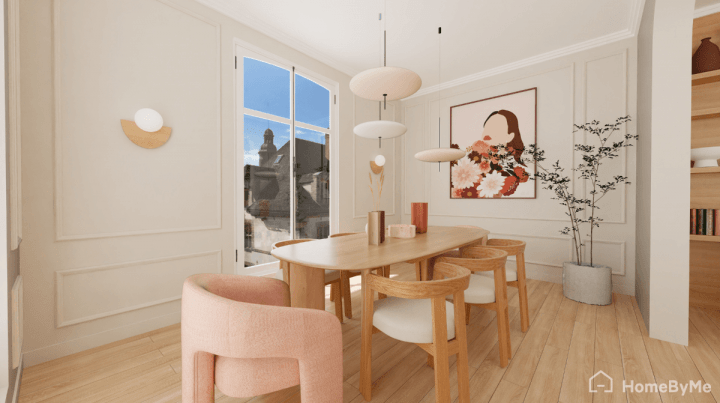
Image of a light and trendy scandinavian dining room

Elegant Scandinavian dining room with simple lines, pale wood furniture and a bright Nordic atmosphere.

Scandinavian style ideas room by room

Effortlessly stylish and adaptable, Scandinavian design brings a calm, cohesive feel to every room in the home.

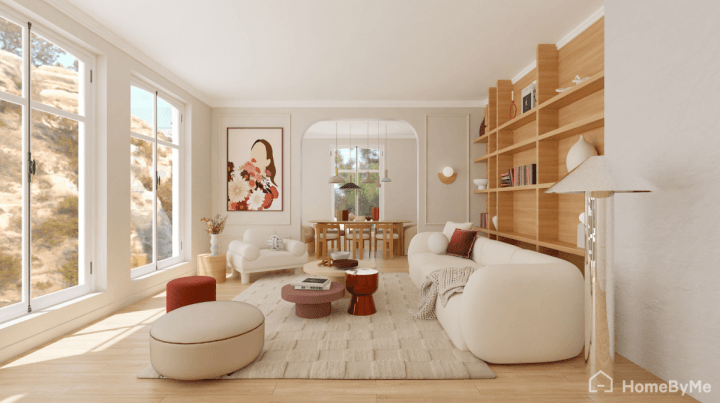
Scandinavian style living room

A Scandinavian living room focuses on comfort and connection. Sofas are upholstered in soft, neutral fabrics. Low coffee tables and simple shelving, made from wood or stone, feature clean lines and subtle detailing. Books, ceramics, art and plants add thoughtful character, while floor lamps, table lamps, candles and soft overhead lighting create a warm, relaxed atmosphere.

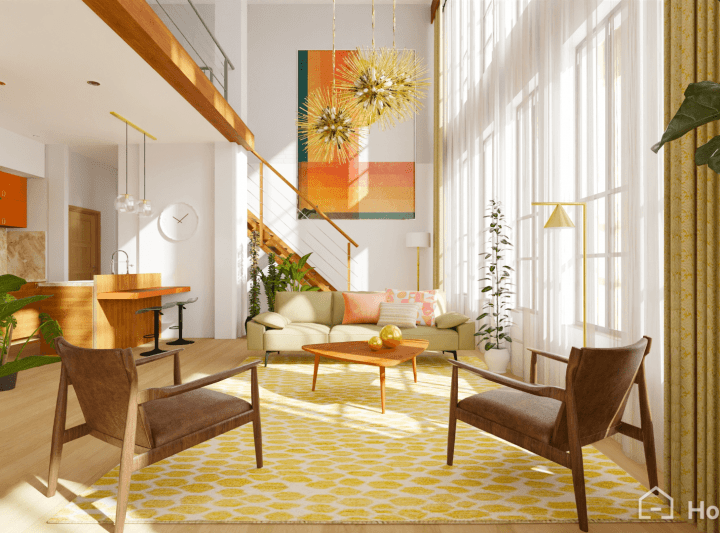
Modern Scandinavian living-dining room in grayish tones

Modern Scandinavian living and dining space in soft gray tones combining minimalist design with natural materials.

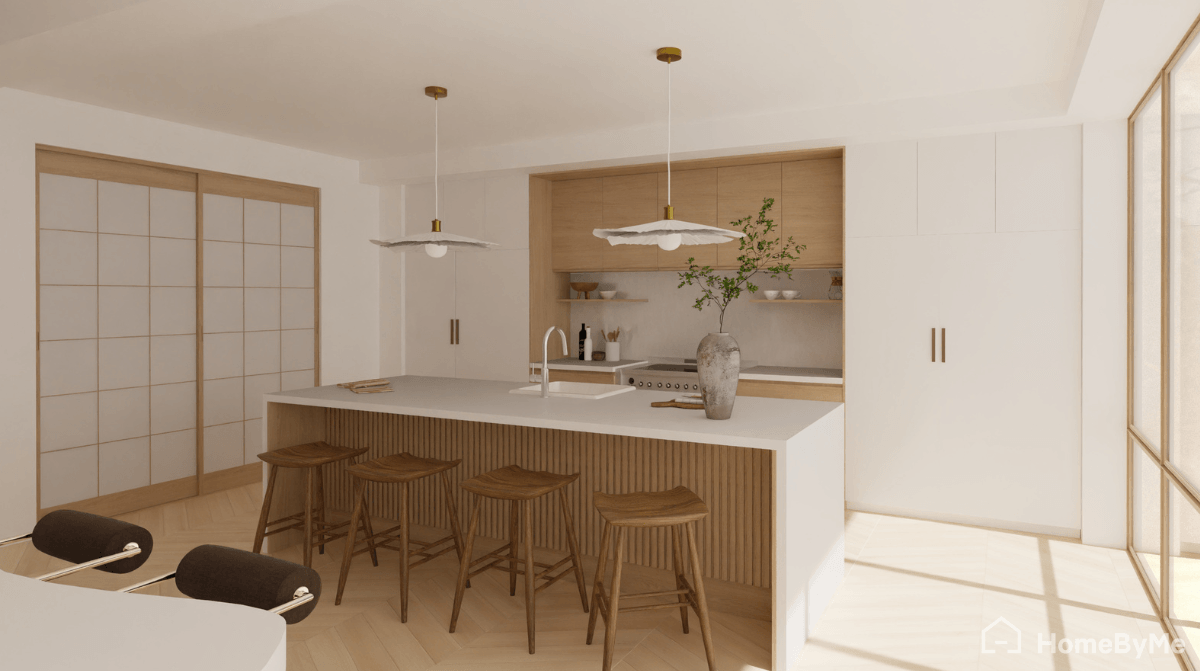
Scandinavian kitchen design

Scandi kitchen design blends functionality with understated natural beauty. Cabinets tend to be sleek, simple and handle free, finished in wood or soft neutral tones. They’re often paired with stone countertops and kitchen islands with subtle lighting from pendant lamps. On the walls, open shelving displays everyday ceramics and glassware.

4K realistic rendering of a white and wood decor for a scandinavian kitchen

White and wood Scandinavian kitchen combining minimalist cabinetry, natural textures and timeless Nordic style.

Scandinavian bedroom design

A Scandinavian style bedroom feels tranquil. Beds are layered with soft linens, cozy wool throws and cushions, while a few carefully chosen pieces of furniture like a low bedside table or pale-wood wardrobe offer function without overwhelming the space. Gentle lighting from lamps and candles adds to the sense of calm.  

Image of a scandinavian bedroom decor

Calm Scandinavian bedroom with soft linens, neutral colors and minimalist wooden furniture for a peaceful Nordic retreat.

The latest Scandi design trends

Scandinavian design is inherently timeless but, as with any style, continues to evolve in response to modern lifestyles. Today’s Scandinavian interiors, for instance, are warmer and more expressive than in previous years, defined by richer wood tones, deeper accent colors and more eclectic decor and accessories. This is largely being driven by a renewed focus on individuality. Contemporary Scandinavian homes embrace personal expression by blending the old with the new. Designers also increasingly experiment with organic shapes, bright pops of color and innovative materials like recycled plastics and biomaterials.

Within all of this, sustainability remains critically important. Vintage furniture, reclaimed wood and heirloom pieces are increasingly chosen instead of fast, disposable decor, reflecting the movement’s long-standing values of craftsmanship, quality and longevity.

Design your Scandinavian-inspired home

Scandinavian design has timeless appeal because it’s adaptable, practical and beautiful without feeling forced. It’s a style that can be interpreted in countless ways, giving designers, decorators and homeowners alike the freedom to make it their own.

And as with any creative project, the first step is exploration. The HomeByMe 3D design platform allows you to do just that and experiment with layouts, furniture, materials and finishes so that you can visualize your Scandinavian-inspired home, room by room, before turning it into a reality.

Frequently asked questions about Scandinavian style

What is the difference between Scandinavian and Nordic style?

The terms Scandinavian and Nordic are often used interchangeably, but there is a subtle distinction. Scandinavian style typically refers to design from Sweden, Norway and Denmark, and focuses on minimalism, functionality and light. Nordic style is broader, also including Finland and Iceland, and tends to incorporate moodier tones, stronger contrasts and more rustic textures. These days, many homes blend both influences.

What is hygge?

Pronounced “hoo-guh,” hygge is the Danish concept of enjoying life’s quieter moments. While it isn’t an interior design term in itself, it’s often mentioned alongside Scandinavian style because it reflects similar values around slowing down, feeling comfortable and creating a sense of warmth and togetherness, often at home.

How can you make a house look Scandinavian?

There are no set rules, but begin with a focus on functionality, natural light and quality over quantity. Use neutral color palettes, natural materials and thoughtful decor such as a well-placed plant, vase or coffee table book. Scandinavian house design creates spaces that feel calm, practical and welcoming.

Follow us


Create your own 3D interior

Design your dream home with our 3D solution. It's free and without obligation!

REGISTER NOW!